
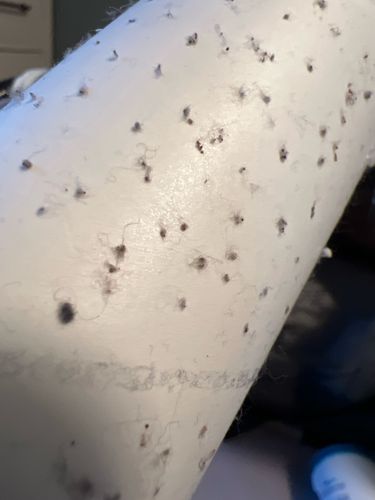
Flea (most likely Cat Flea or Dog Flea)
Ctenocephalides felis (Cat Flea) or Ctenocephalides canis (Dog Flea)
- Order & Family
- Order: Siphonaptera, Family: Pulicidae
- Size
- 1-3 mm
Natural Habitat
Fleas thrive in warm, humid environments. They are typically found on hosts (mammals, especially pets like cats and dogs) and in their bedding, carpets, rugs, and furniture where eggs, larvae, and pupae develop.
Diet & Feeding
Adult fleas are obligate hematophagous parasites, meaning they feed exclusively on the blood of their hosts. Larvae feed on organic debris, including adult flea feces (flea dirt).
Behavior Patterns
Fleas are wingless insects known for their incredible jumping ability, allowing them to easily transfer between hosts. They have a complete metamorphosis (egg, larva, pupa, adult). The entire life cycle can be completed in as little as 18 days under ideal conditions, but can take up to several months. Adults typically remain on a host for their entire lifespan, feeding frequently.
Risks & Benefits
Potential risks include causing intense itching, skin irritation, allergic reactions (flea allergy dermatitis) in pets and humans. They can also transmit diseases like murine typhus and serve as intermediate hosts for tapeworms (e.g., Dipylidium caninum). Benefits are negligible from a human perspective; however, they are a part of the natural food web for some predators.