
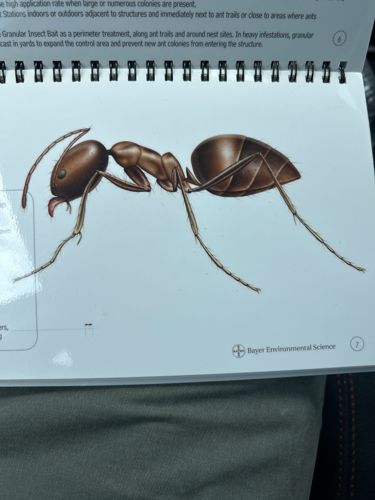
Carpenter Ant
Camponotus spp.
- Order & Family
- Order: Hymenoptera, Family: Formicidae
- Size
- Workers typically range from 6 to 13 mm (0.25 to 0.5 inches) in length, though queens can be significantly larger, up to 25 mm (1 inch).
Natural Habitat
Carpenter ants commonly establish nests in wood, including structural timber in homes, trees, logs, and stumps. They prefer areas with moisture damage. They can be found both indoors and outdoors, often foraging along ant trails.
Diet & Feeding
Carpenter ants primarily feed on honeydew produced by aphids and other sap-feeding insects. They also consume other insects (dead or alive), plant juices, and human food items like sweets, meats, and fats.
Behavior Patterns
Carpenter ants are social insects living in organized colonies that can contain thousands of individuals. They excavate tunnels in wood to create nests, often favoring damp or decaying wood, but can also nest in sound wood. Foraging workers can travel significant distances from the nest to find food. They are most active at night.
Risks & Benefits
Risks: Carpenter ants can cause significant structural damage to homes and other wooden structures by tunneling through the wood to build their nests. This damage can weaken wooden elements over time. They do not sting, but larger species can deliver a painful bite. Benefits: In natural environments, carpenter ants play a role in decomposition by breaking down dead wood. They also act as a food source for other animals.