
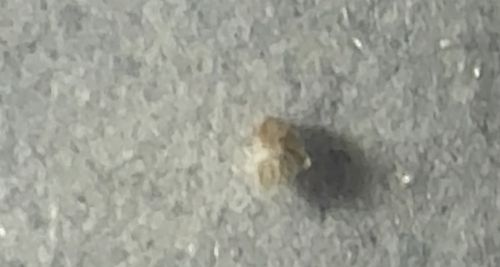
Community identification
Booklouse
Liposcelis spp.
- Order & Family
- Psocodea, Liposcelididae
- Size
- 1 to 2 millimeters in length
Natural Habitat
Damp, warm areas with high humidity such as basements, crawl spaces, and between pages of old books or stored food products.
Diet & Feeding
Feed on microscopic fungi, mold, spores, starch, and sometimes pantry goods like flour or cereals.
Behavior Patterns
These insects do not fly and are primarily nocturnal. They are known for moving in short, jerky bursts and are prone to dehydration, requiring moisture to survive.
Risks & Benefits
Harmless to humans as they do not bite or transmit diseases, but can be a nuisance and potentially cause minor damage to books, paper collections, or contaminate stored food products if infestations are large.