
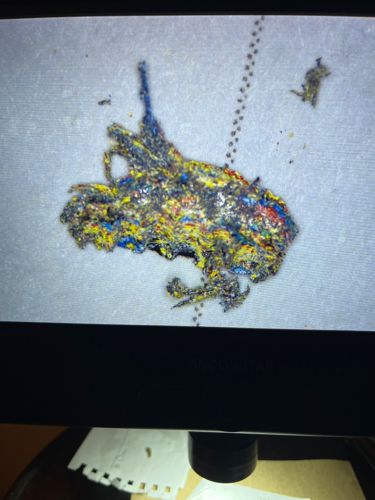
Case-bearing Clothes Moth Larva
Tinea pellionella
- Order & Family
- Lepidoptera, Tineidae
- Size
- Larvae are typically 10-14 mm (0.4-0.6 inches) long when fully grown. The case they construct is slightly larger.
Natural Habitat
Indoors, particularly in dark, undisturbed areas where animal fibers are stored, such as closets, attics, and storage chests. They can also be found in museums and warehouses.
Diet & Feeding
Keratin-containing materials, primarily animal fibers like wool, silk, fur, feathers, and felt. They may also feed on synthetic blends if enough natural fiber is present, or on lint and dust bunnies.
Behavior Patterns
The larva lives within a silken case woven with fibers from its food source, which it carries with it and enlarges as it grows. It rarely leaves this case. It is nocturnal and avoids light. The larval stage is the damaging stage. Adults are small, shiny grayish-brown moths that are poor flyers and tend to run rather than fly.
Risks & Benefits
Potential risks include significant damage to clothing, carpets, upholstery, and stored textiles made of natural fibers, leading to economic loss. They do not pose direct health risks to humans. There are no known benefits to humans or the ecosystem from this pest in an indoor setting.