
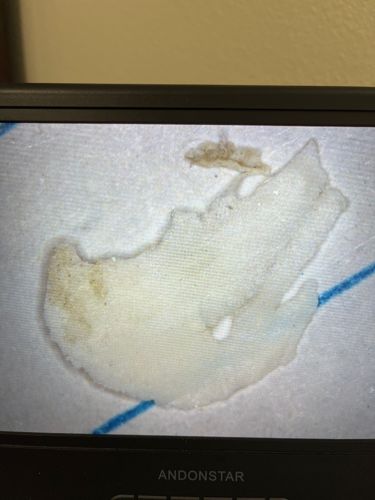
Community identification
Mold or Fungi (not an insect)
Not applicable (too general, depends on specific species)
- Order & Family
- Fungi kingdom (not an insect Order or Family)
- Size
- Microscopic spores; visible colonies can range from a few millimeters to several centimeters
Natural Habitat
Damp, moist, and poorly ventilated areas; organic matter; food sources
Diet & Feeding
Feeds on organic matter, deriving nutrients through extracellular digestion
Behavior Patterns
Grows by spreading hyphae across surfaces; reproduces via spores, which can be airborne. Its growth is opportunistic depending on environmental conditions.
Risks & Benefits
Risks: Can cause respiratory problems, allergies, and exacerbate asthma in humans. Some molds produce mycotoxins which are harmful. Can damage property and food. Benefits: Plays a crucial role in decomposition and nutrient cycling in ecosystems. Some fungi are used in medicine (e.g., penicillin) and food production (e.g., cheese, yeast).