
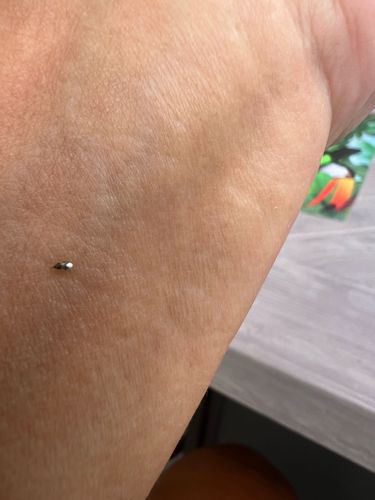
Fungus Gnat
Sciaridae species (e.g., Bradysia impatiens) or Mycetophilidae species
- Order & Family
- Order: Diptera, Family: Sciaridae (dark-winged fungus gnats) or Mycetophilidae (true fungus gnats)
- Size
- Adults typically range from 1 to 3 mm (0.04 to 0.12 inches) in length.
Natural Habitat
Fungus gnats are commonly found in moist environments with decaying organic matter, such as potting soil of houseplants, greenhouses, compost piles, and areas with water leaks or excessive moisture.
Diet & Feeding
Adult fungus gnats do not typically feed and are short-lived. Their larvae feed on fungi, decaying organic matter, and sometimes the fine root hairs of plants, especially in overly wet soil.
Behavior Patterns
Fungus gnats are typically attracted to moisture and decaying organic matter. They are weak fliers and often appear to hover. Their larvae live in the soil and feed on fungi and decaying plant material. Adults are short-lived, primarily focused on reproduction. They are most active in humid environments.
Risks & Benefits
Risks: While adult fungus gnats are mostly a nuisance, their larvae can damage the roots of seedlings and young plants, leading to wilting or stunted growth, especially in large infestations. They do not bite humans or transmit diseases. Benefits: In natural ecosystems, they play a role in decomposition by breaking down organic matter and fungi.