
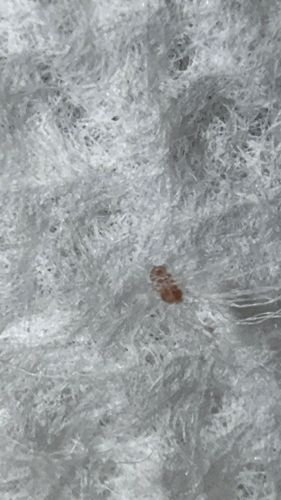
Community identification
Bed Bug
Cimex lectularius
- Order & Family
- Hemiptera (True Bugs), Cimicidae
- Size
- Adults are approximately 4–5 mm long (about the size of an apple seed); nymphs range from 1 mm to 4 mm.
Natural Habitat
Typically found indoors, especially in sleeping areas like mattresses, box springs, bed frames, and behind headboards. They hide in cracks and crevices during the day.
Diet & Feeding
Hematophagous (blood-feeders), feeding primarily on human blood, usually at night while the host is sleeping.
Behavior Patterns
Nocturnal and cryptic, they emerge to feed on sleeping hosts. They are attracted to warmth and carbon dioxide. After feeding, they retreat to hidden aggregations.
Risks & Benefits
Risks: Bites can cause allergic skin reactions, itching, anxiety, and insomnia. While not known to transmit diseases directly, their presence is a significant nuisance and difficult to eradicate. Benefits: None known in domestic environments.