
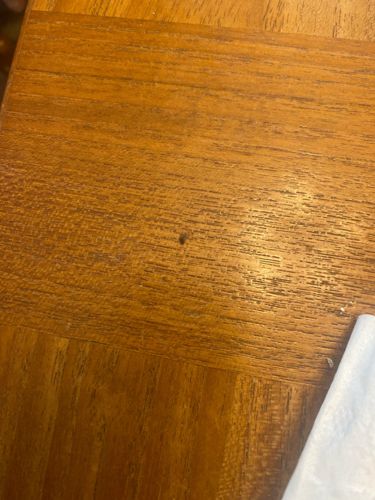
Community identification
Fruit fly (or Vinegar fly)
Drosophila melanogaster
- Order & Family
- Order: Diptera, Family: Drosophilidae
- Size
- 3 to 4 mm (0.12 to 0.16 inches)
Natural Habitat
Found globally in temperate and tropical regions, specifically in kitchens, gardens, or near decaying organic matter.
Diet & Feeding
Feeds primarily on microorganisms like yeast and bacteria growing on fermenting or rotting fruit and vegetables.
Behavior Patterns
Active during the day; females lay up to 500 eggs near organic surfaces. They have a very rapid life cycle (about 10 days from egg to adult) and are highly attracted to the smell of vinegar and alcohols.
Risks & Benefits
Generally harmless to humans but can be a nuisance and potentially transfer bacteria from unsanitary surfaces to food; they are highly beneficial as a model organism in genetic and scientific research.