
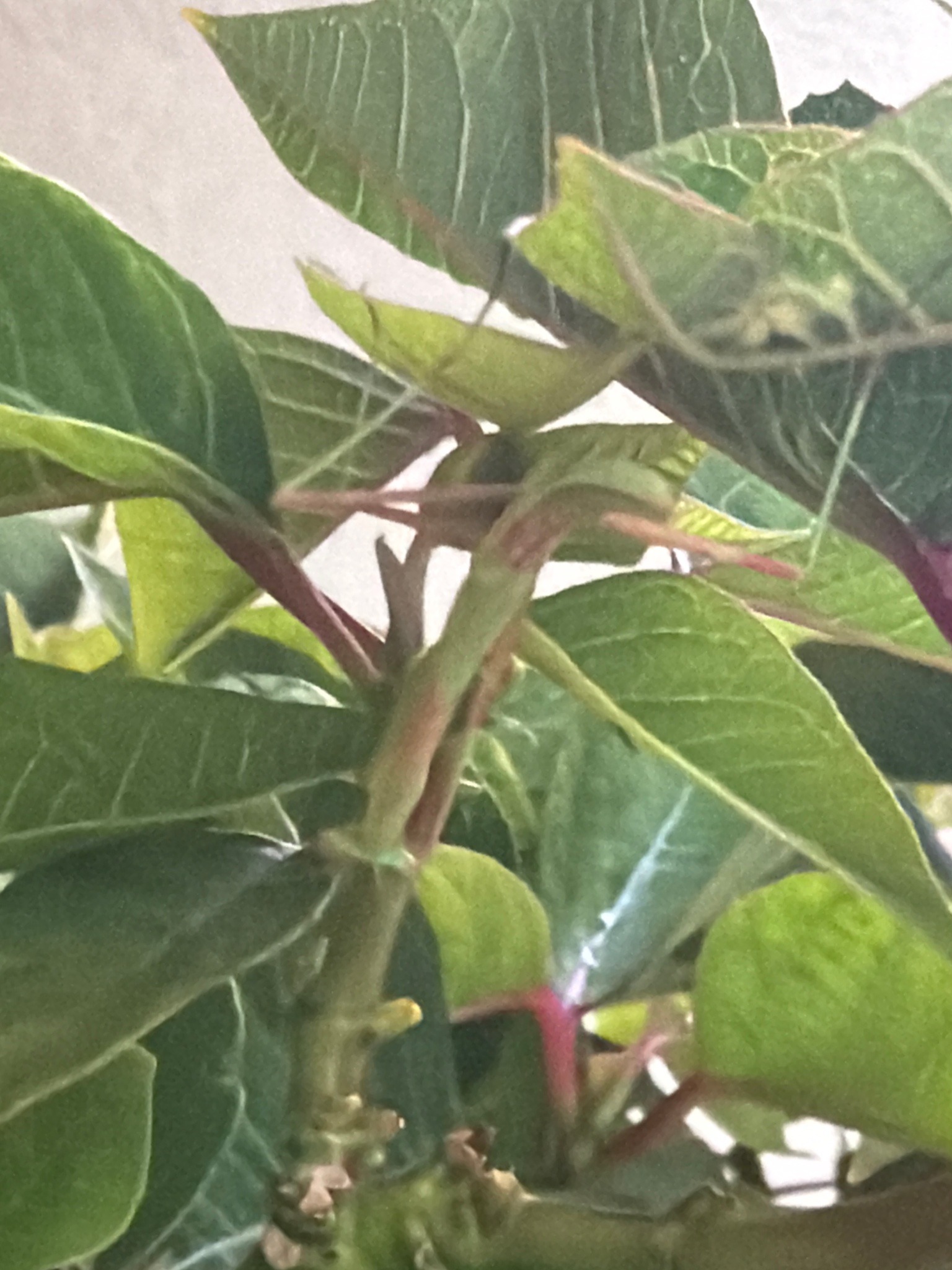
Community identification
Two-striped Walkingstick
Anisomorpha buprestoides
- Order & Family
- Order Phasmatodea; Family Pseudophasmatidae
- Size
- Females range from 2.5 to 3.5 inches (65-90 mm); males are significantly smaller, ranging from 1.5 to 2.0 inches (40-50 mm).
Natural Habitat
Found in open woodlands, scrublands, and residential gardens, often resting under tree bark or inside vegetation during the day.
Diet & Feeding
Herbivorous, feeding primarily on the leaves of various trees and shrubs including oaks, rosemary, and lyonia.
Behavior Patterns
Notable for their sexual dimorphism where the small male is often found riding on the back of the larger female. They are nocturnal and possess a powerful chemical defense mechanism.
Risks & Benefits
Benefits the ecosystem by breaking down plant matter. Significant risk to humans and pets: they can accurately spray a caustic chemical from glands behind their head that causes intense pain and temporary blindness if it hits the eyes.