
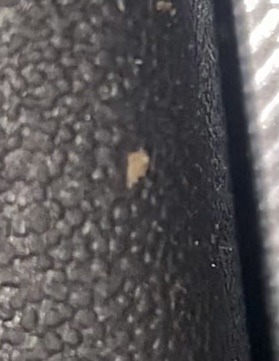
Community identification
Mold Mite
Tyrophagus putrescentiae
- Order & Family
- Sarcoptiformes / Acaridae
- Size
- 0.3 - 0.5 mm (nearly microscopic, appearing as moving white dust)
Natural Habitat
High humidity environments with damp organic material, moldy food, kitchens, or bathrooms.
Diet & Feeding
Primarily fungal spores, mold, and decaying organic matter rich in protein or fat.
Behavior Patterns
They reproduce rapidly in humid conditions and are often noticed when they colony size becomes large enough to look like a 'walking dust' covering surfaces.
Risks & Benefits
They do not bite humans or pets. However, they can cause 'grocer's itch' (allergic dermatitis) or respiratory irritation in sensitive individuals who inhale their cast skins and feces. Benefit: they indicate high moisture/mold issues that need addressed.