
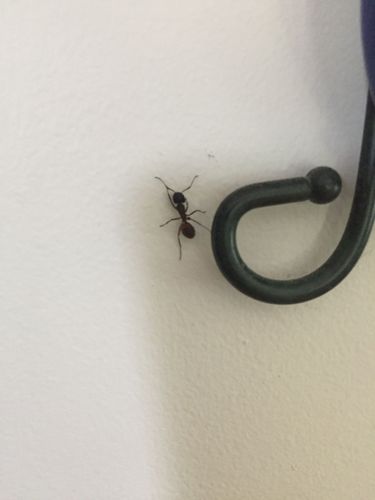
Ant
Formicidae (numerous genera and species)
- Order & Family
- Order: Hymenoptera, Family: Formicidae
- Size
- Most ant species range from 2 mm to 25 mm (0.08 to 1 inch) in length, depending on the species and caste.
Natural Habitat
Ants can be found in a wide variety of habitats globally, from forests and grasslands to deserts and urban environments. They typically build nests in soil, under rocks, in wood, or even indoors within wall voids.
Diet & Feeding
Ants are omnivores. Their diet typically includes sweets (sugars, honeydew from aphids), proteins (other insects, dead animals), fats, and occasionally seeds or fungi. The specific diet varies by species.
Behavior Patterns
Ants are highly social insects that live in colonies. They communicate through chemical signals (pheromones) and tactile cues. They exhibit complex behaviors such as foraging, nest building, larval care, and defense of the colony. Different castes (workers, queens, males) have specific roles. They often form foraging trails between their nest and food sources.
Risks & Benefits
Potential Risks: Some species can bite or sting (e.g., fire ants), causing pain or allergic reactions. They can infest homes, contaminating food and causing structural damage (e.g., carpenter ants). Potential Benefits: Ants play crucial roles in ecosystems, including aeration of soil, seed dispersal, pest control (by preying on other insects), and decomposition of organic matter.