
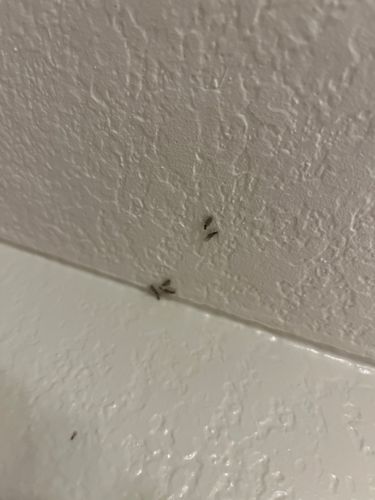
Booklouse / Psocid
Psocoptera (order), various genera and species (e.g., Liposcelis spp.)
- Order & Family
- Psocoptera, various families (e.g., Liposcelididae, Psocidae)
- Size
- Typically 1-2 mm, sometimes up to 4 mm. Often appear as tiny, pale, translucent to grayish insects.
Natural Habitat
Found in warm, humid, and undisturbed places, such as old books, paper collections, stored food products, potted plants, and damp areas in homes (e.g., bathrooms, kitchens, basements) where mold might grow.
Diet & Feeding
Mainly feed on microscopic molds, fungi, starches, glues in book bindings, wallpaper paste, and other organic matter.
Behavior Patterns
Booklice are often found in damp, humid environments. They are parthenogenetic, meaning females can reproduce without males, leading to rapid population growth. They are attracted to mold and fungus growth, which often indicates high humidity or moisture problems.
Risks & Benefits
Risks: Can infest stored food products, damage books and paper products by feeding on glues and mold, and indicate moisture problems in a home. They are generally harmless to humans and do not bite or transmit diseases. Benefits: None significant to humans, but in natural environments, they contribute to decomposition cycles by feeding on fungi and detritus.