
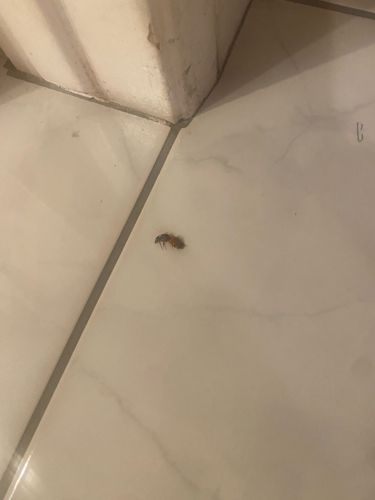
Community identification
Western Honey Bee
Apis mellifera
- Order & Family
- Hymenoptera: Apidae
- Size
- 10 to 20 mm (0.39 to 0.79 inches)
Natural Habitat
Meadows, open woodlands, gardens, and agricultural areas globally.
Diet & Feeding
Adults feed on nectar for energy and pollen for protein; larvae are fed royal jelly and a mixture of pollen and nectar.
Behavior Patterns
Highly social insects living in complex colonies. They communicate through 'waggle dances' and perform division of labor based on age.
Risks & Benefits
Benefits: Essential pollinators for food crops and ecosystems. Risks: Can sting if threatened, which may cause severe allergic reactions in some humans.