
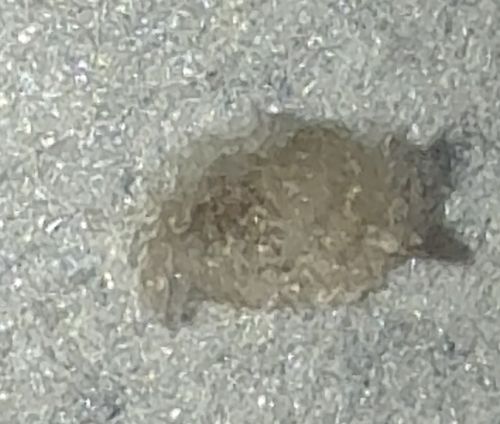
Household Casebearer (often specifically the Plaster Bagworm or Case-bearing Clothes Moth larva)
Phereoeca uterella (Plaster Bagworm) or Tinea pellionella (Case-bearing Clothes Moth)
- Order & Family
- Lepidoptera, Tineidae
- Size
- Larval case is usually 8 to 13 mm long
Natural Habitat
Typically found indoors in high humidity environments, residing on walls, baseboards, carpets, and in closets or storage areas where fibers are available.
Diet & Feeding
Feeds on natural fibers like wool, silk, and hair, as well as spider webs, lint, and dried insect remains.
Behavior Patterns
The larva constructs a distinctive flattened, pumpkin-seed-shaped protective case out of silk and debris (sand, soil, droppings, fibers) which it carries around while feeding. It eventually pupates inside this case.
Risks & Benefits
Generally harmless to humans (does not bite or sting), but considered a household pest as they can damage fabrics, clothing, and rugs made of natural fibers. They do not cause structural damage.