
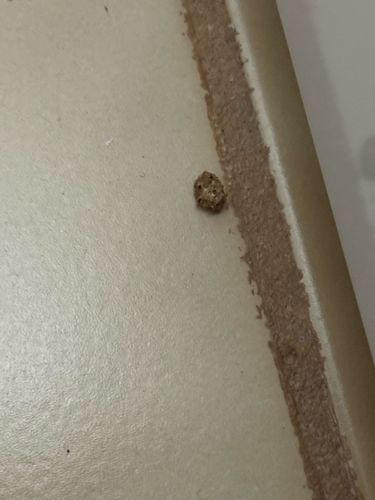
Case-bearing Clothes Moth Larva
Tinea pellionella
- Order & Family
- Lepidoptera, Tineidae
- Size
- Larvae are typically 10-14 mm (0.4-0.55 inches) long when fully grown. The case itself is usually 5-8 mm (0.2-0.3 inches) long.
Natural Habitat
Indoors, particularly in dark, undisturbed areas where animal-based fabrics are stored, such as closets, attics, and storage chests. They can also be found in natural history collections.
Diet & Feeding
Keratin-containing materials, including wool, fur, feathers, hair, felt, and sometimes synthetic fibers if mixed with natural ones. They are notorious pests of clothing, carpets, upholstered furniture, and museum specimens.
Behavior Patterns
The larva constructs a portable silken case, incorporating bits of the material it is feeding on, which camouflages it effectively. It carries this case with it as it moves and feeds, only protruding its head and legs. When ready to pupate, it seals itself inside the case, often affixing it to a surface. Adults are small, shiny, grayish-buff moths that are weak fliers and avoid light.
Risks & Benefits
Risks: Significant economic pests due to their destructive feeding on valuable fabrics and stored goods. They can cause irreversible damage to clothing, blankets, carpets, and fur items. Benefits: None identified in an urban or household setting; they are generally considered a nuisance and destructive pest.