
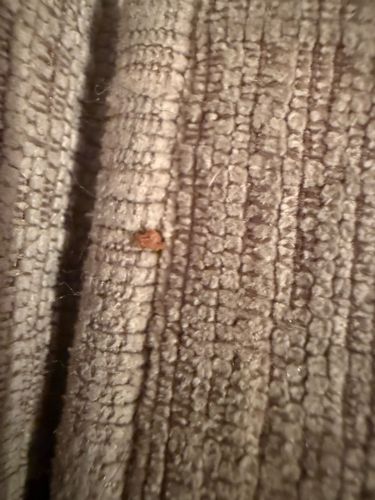
Bed Bug
Cimex lectularius
- Order & Family
- Hemiptera (true bugs), Cimicidae
- Size
- Adults are typically 4-5 mm (around 3/16 inch) long, about the size of an apple seed. Nymphs are smaller and translucent.
Natural Habitat
Primarily nocturnal, bed bugs hide in cracks and crevices during the day, such as mattress seams, bed frames, furniture, behind wall decorations, and in electrical outlets. They are found wherever humans sleep or rest.
Diet & Feeding
Strictly hematophagous, meaning they feed exclusively on the blood of warm-blooded animals, with a strong preference for human blood. They use a piercing-sucking mouthpart (proboscis) to draw blood.
Behavior Patterns
Nocturnal feeders, emerging from their hiding spots to feed on sleeping hosts. They are attracted to carbon dioxide and body heat. They are excellent hiders, making detection difficult. Females can lay 1-5 eggs per day, attaching them to surfaces. Infestations can grow rapidly if not managed.
Risks & Benefits
Potential risks include itchy red welts or rashes from bites, allergic reactions in some individuals, and secondary skin infections from scratching. They are not known to transmit diseases to humans. There are no known benefits to humans or the ecosystem; they are considered a nuisance pest.