
Community identification
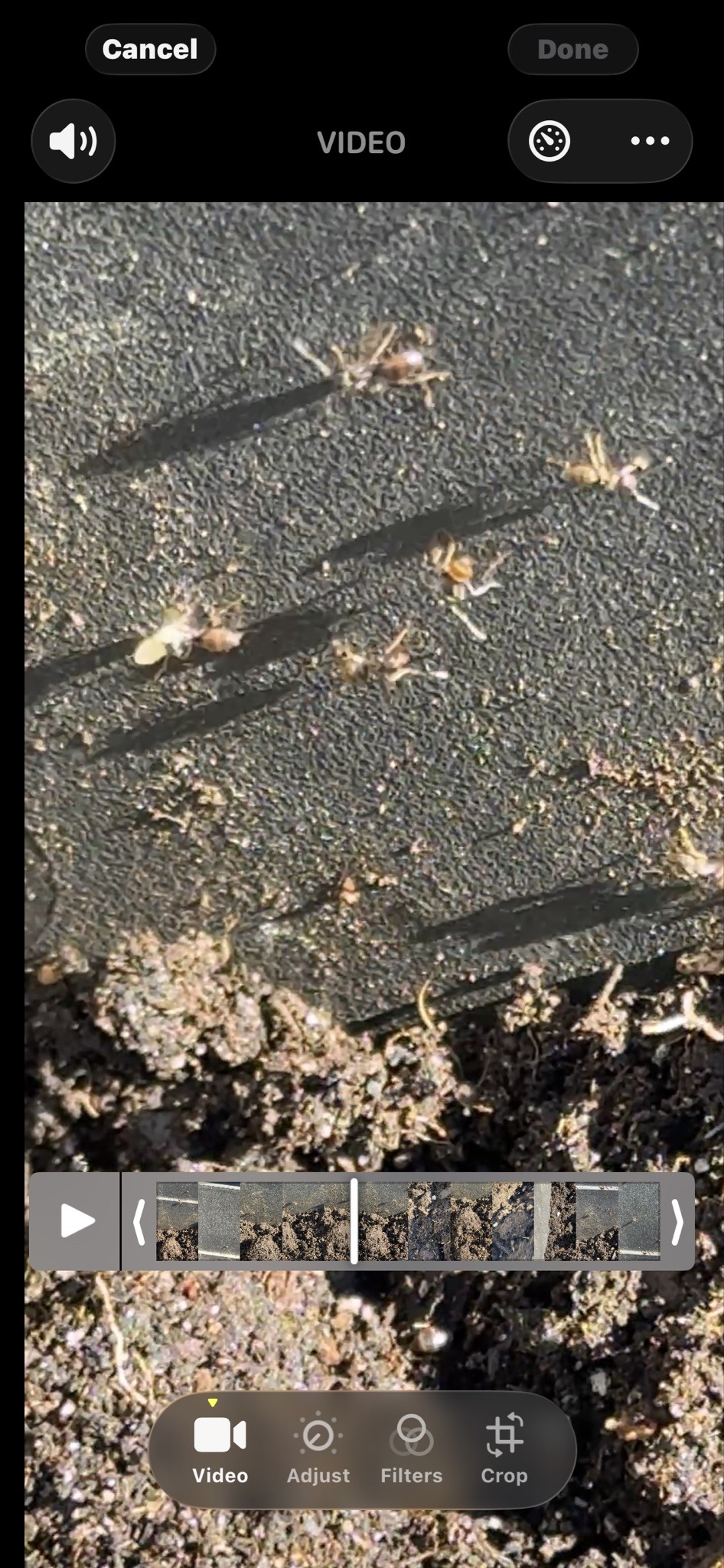
Ant Decapitating Fly
Apocephalus borealis
- Order & Family
- Order: Diptera; Family: Phoridae
- Size
- 0.5 mm to 4 mm (extremely small)
Natural Habitat
Found in environments where their host organisms (ants, bees, or wasps) reside, ranging from forests to gardens.
Diet & Feeding
Larvae are internal parasites of insects; adults primarily consume nectar or decaying organic matter.
Behavior Patterns
The female fly lays eggs in the thorax of a host. The larva migrates to the head, eventually causing the host's head to fall off as the larva matures and pupates within the decapitated head capsule.
Risks & Benefits
They pose no direct risk to humans. Ecologically, they act as biological control agents for certain ant populations, including invasive species like fire ants.