
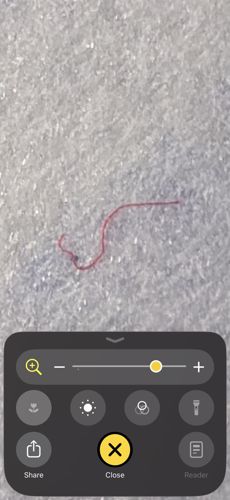
Community identification
Bloodworm
Chironomus plumosus
- Order & Family
- Diptera, Chironomidae
- Size
- Typically 10 to 30 millimeters in length.
Natural Habitat
Freshwater lake and pond sediments, particularly in slow-moving or stagnant water.
Diet & Feeding
Detritus, organic matter, and microscopic algae found in bottom sediments.
Behavior Patterns
They live in protective tubes in the sediment and use hemoglobin to survive in low-oxygen environments; they eventually pupate and emerge as non-biting midges.
Risks & Benefits
Beneficial to ecosystems as a vital food source for fish and waterfowl, though they can occasionally indicates poor water quality or nutrient loading.