
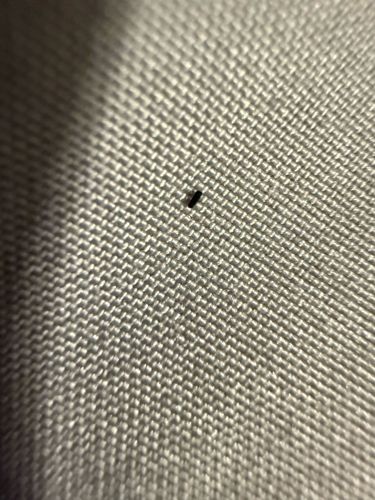
Fungus Gnat
Bradysia spp. (though exact species often indistinguishable from image)
- Order & Family
- Diptera, Sciaridae
- Size
- 2-8 mm (approx. 0.08 - 0.3 inches)
Natural Habitat
Damp, organic-rich environments, commonly found around houseplants, greenhouses, and areas with decaying plant matter. Adults are attracted to light.
Diet & Feeding
Larvae feed on fungi, decaying organic matter, and plant roots, especially young, tender roots. Adult fungus gnats do not eat, they primarily exist to reproduce.
Behavior Patterns
Adults are weak fliers and are typically seen flying in erratic patterns around plants or walking on the surface of soil. They have a short lifespan of about 7-10 days, during which females lay eggs in moist soil. Larvae develop in the soil over several weeks.
Risks & Benefits
Risks: Larvae can damage plant roots, especially in seedlings and young plants, leading to wilting, stunted growth, and in severe infestations, plant death. They can be a nuisance indoors. Benefits: Adults are generally harmless to humans. Larvae play a role in breaking down organic matter in their natural environment.