
Community identification
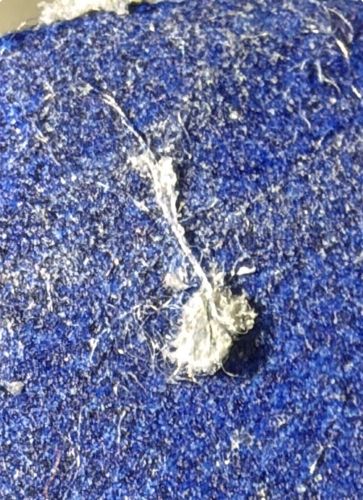
Plaster Bagworm
Phereoeca uterella
- Order & Family
- Lepidoptera: Tineidae
- Size
- Case is 10–13 mm in length; larva is roughly 6–7 mm.
Natural Habitat
Typically found inside residential buildings and around humid, tropical, and subtropical climates, often clinging to walls or baseboards.
Diet & Feeding
Larvae feed on spider webs and natural fibers such as wool, silk, and human hair, as well as organic lint and dust.
Behavior Patterns
The larva constructs a protective spindle-shaped case from silk and environmental debris (like sand, soil, and fiber). It can poke its head out from either end of the case to feed or move. After pupation, it emerges as a small moth.
Risks & Benefits
They are considered nuisance pests. While they do not bite humans or pets, they can cause minor damage to clothing, rugs, and upholstery made from natural fibers. They do benefit ecosystems by consuming organic debris and spider webs.