
Community identification
Spittlebug (Froghopper Nymph)
Superfamily Cercopoidea (e.g., Philaenus spumarius)
- Order & Family
- Order: Hemiptera, Superfamily: Cercopoidea (Families include Aphrophoridae and Cercopidae)
- Size
- Nymphs are typically small (approx. 5-7 mm), hidden within foam masses that can range from 1 to 3 cm.
Natural Habitat
Found on the stems and leaves of various plants in gardens, meadows, grasslands, and forests.
Diet & Feeding
Xylem feeders; they pierce plant stems to consume watery sap from grasses, weeds, herbs, and shrubs.
Behavior Patterns
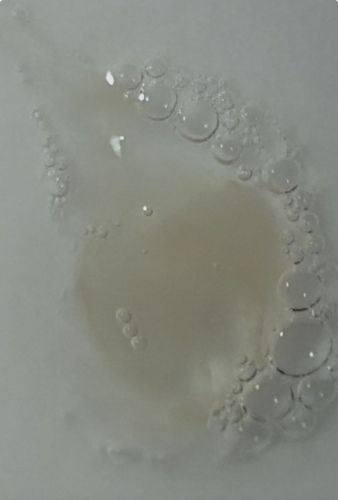
Nymphs create a distinctive frothy white mass often called 'cuckoo spit' or snake spit. They produce this by mixing excreted plant fluid with air and sticky secretions to protect themselves from predators, parasitoids, and desiccation (drying out) while developing.
Risks & Benefits
Harmless to humans. They generally cause little damage to plants, though heavy infestations can cause stunting or distortion. Adult froghoppers can be vectors for plant pathogens like Xylella fastidiosa, but the spittle itself is benign.