
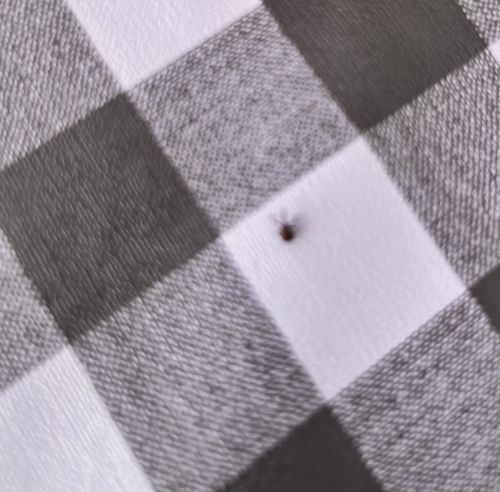
Flea
Commonly Ctenocephalides felis (cat flea) or Ctenocephalides canis (dog flea), but many species exist.
- Order & Family
- Order: Siphonaptera, Family: Pulicidae (common fleas)
- Size
- 1.5 mm to 3.3 mm (0.06 to 0.13 inches) in length
Natural Habitat
Fleas thrive in warm and humid environments. They are commonly found in pet bedding, carpets, upholstered furniture, and cracks in floors. Outside, they can live in shaded, damp areas where hosts frequent, such as tall grass, leaf litter, and under bushes.
Diet & Feeding
Fleas are hematophagous, meaning they feed exclusively on the blood of their warm-blooded hosts, which can include mammals and birds.
Behavior Patterns
Fleas are known for their jumping ability, which allows them to easily transfer between hosts. They are external parasites and spend most of their lives on a host, feeding on blood. Their life cycle includes egg, larva, pupa, and adult stages, with adults emerging from pupae when a suitable host is detected by vibrations, warmth, or carbon dioxide. They reproduce rapidly, especially in warm and humid environments.
Risks & Benefits
Risks: Fleas can cause intense itching, skin irritation (flea allergy dermatitis), and secondary skin infections in pets and humans. They are vectors for various diseases, including bubonic plague (transmitted by Oriental rat fleas), murine typhus, and can transmit tapeworm (Dipylidium caninum) to pets and occasionally humans. Benefits: While generally considered pests, they are a food source for some predators and contribute to the ecological food chain.