
Community identification
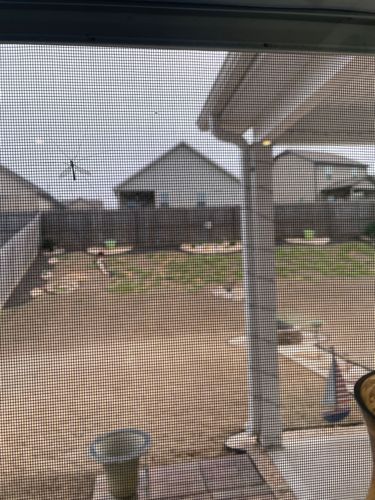
Crane Fly
Family Tipulidae
- Order & Family
- Order Diptera, Family Tipulidae
- Size
- Most species vary from 10 to 65 mm (0.4 to 2.5 inches) in length.
Natural Habitat
Grassy areas, moist soil, leaf litter, and near bodies of water; often seen on window screens or near porch lights.
Diet & Feeding
Adults often do not eat during their short lifespan, or they may consume nectar. Larvae (leatherjackets) eat decaying organic matter, plant roots, or fungi.
Behavior Patterns
Poor fliers frequently mistaken for giant mosquitoes; they are most active during dusk and are attracted to light. They have a very short adult lifespan focused on reproduction.
Risks & Benefits
Harmless to humans as they do not bite or sting. They benefit the ecosystem by providing a food source for birds and bats, and larvae assist in the decomposition of organic material.