
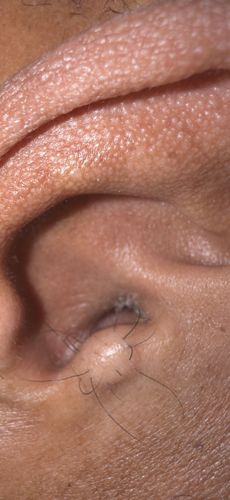
Community identification
Ear Tick
Otobius megnini (Spinose ear tick)
- Order & Family
- Order: Ixodida, Family: Argasidae
- Size
- Nymphs reach about 5 to 10 mm in length.
Natural Habitat
Typically found in arid or semi-arid regions; larvae and nymphs are found deep in the ears of host animals (including livestock, wildlife, and occasionally humans).
Diet & Feeding
Larvae and nymphs feed on blood and lymph fluid from the ear canal of the host. Adults do not feed.
Behavior Patterns
A 'one-host tick' where the larvae and nymphs remain in the ear of the same host for weeks or months. Once mature, nymphs drop to the ground to molt into adults and mate in the environment.
Risks & Benefits
Causes irritation, inflammation, and potential secondary infections in the ear. In humans, it can cause severe pain and temporary hearing loss. They are not known to transmit significant human diseases but are a major pest for livestock.