
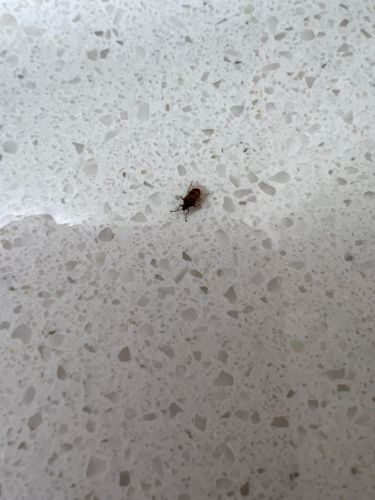
Community identification
Vinegar Fly (Common Fruit Fly)
Drosophila melanogaster
- Order & Family
- Order Diptera, Family Drosophilidae
- Size
- 3 to 4 mm in length
Natural Habitat
Worldwide, primarily in kitchens, gardens, compost bins, and areas with decaying organic matter or fermenting liquids.
Diet & Feeding
Secondary consumers; they feed on the yeast and fungi growing on overripe, rotting, or fermenting fruits and vegetables.
Behavior Patterns
Active year-round, especially in warm seasons. They have a very rapid life cycle (egg to adult in 8-10 days), allowing for sudden massive infestations. Attracted to moisture and the smell of fermentation.
Risks & Benefits
They do not bite humans. While primarily a nuisance, they can mechanically transfer bacteria from waste to food. They are ecosystem decomposers and are invaluable to scientific and genetic research.