
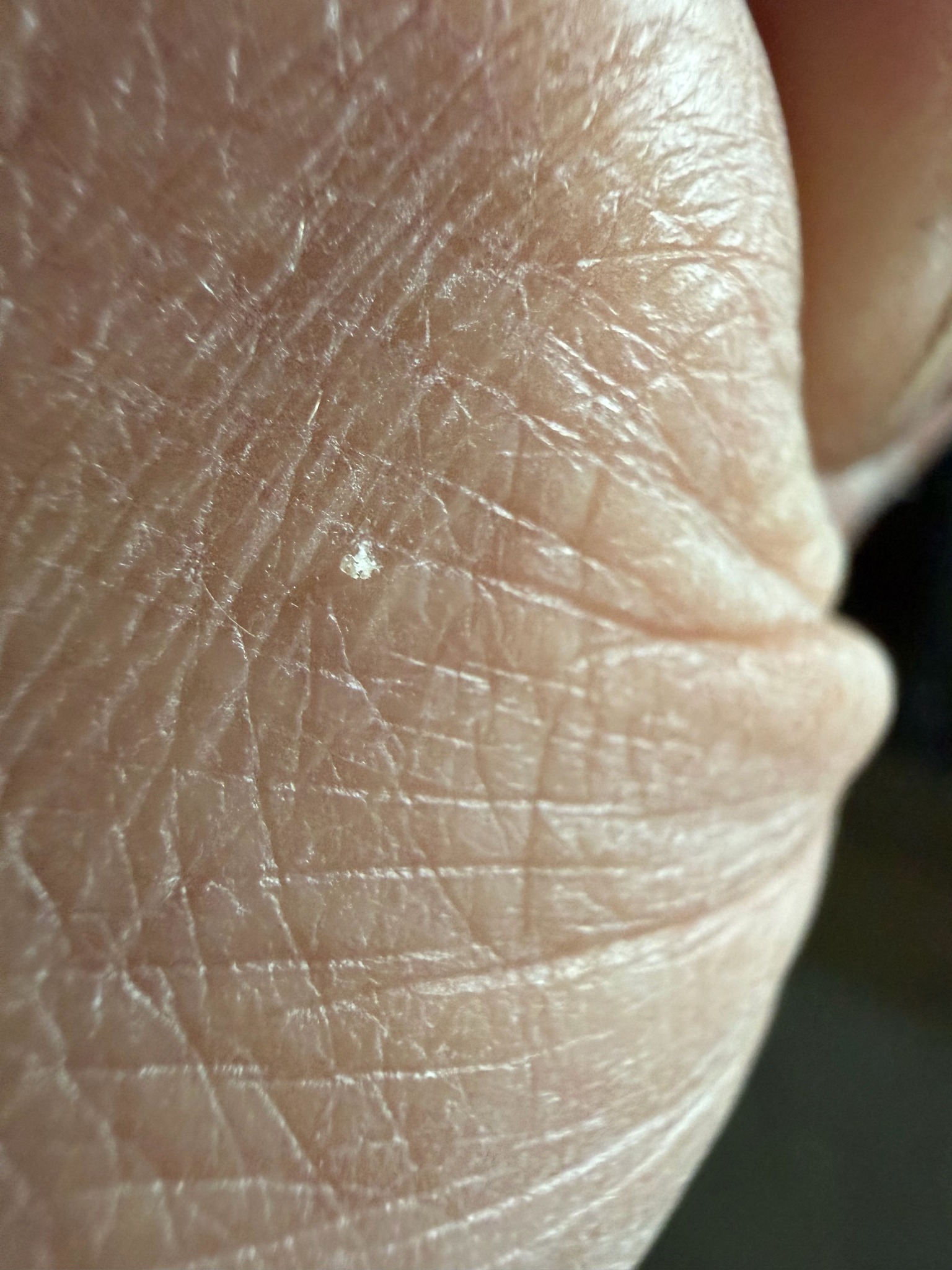
Community identification
Human Scabies Mite
Sarcoptes scabiei var. hominis
- Order & Family
- Order: Sarcoptiformes; Family: Sarcoptidae
- Size
- 0.30 to 0.45 mm (females), 0.20 to 0.25 mm (males)
Natural Habitat
Human skin, specifically within the stratum corneum (the outermost layer of the epidermis).
Diet & Feeding
Skin cells and extracellular fluid; they consume these as they burrow through the skin.
Behavior Patterns
Mites burrow into the host skin to lay eggs. They are highly contagious and spread through prolonged skin-to-skin contact. The life cycle from egg to adult takes approximately 10 to 14 days.
Risks & Benefits
Causes Scabies, characterized by intense itching and a pimple-like skin rash. Risks include secondary bacterial infections from scratching. There are no ecological benefits to humans; they are strictly parasitic.