
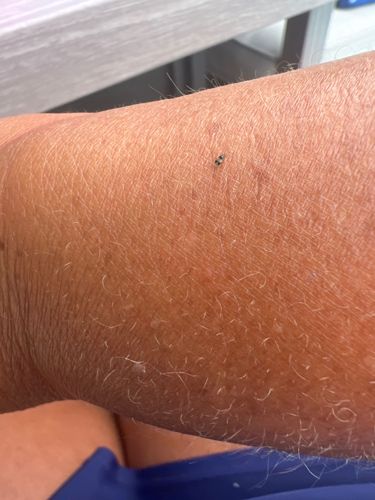
Biting Midge, No-See-Um, Sandfly (though sandfly also refers to other insects)
Culicoides spp. (a genus within the family Ceratopogonidae)
- Order & Family
- Order: Diptera, Family: Ceratopogonidae
- Size
- Typically 1-3 mm (0.04-0.12 inches) in length, making them very small and often difficult to see, hence the common name "no-see-um".
Natural Habitat
Biting midges are found worldwide in diverse habitats, especially where moisture is abundant. They breed in damp soil, mud, decaying leaf litter, tree holes, edges of ponds, streams, and salt marshes. They are common in coastal areas, wetlands, and near bodies of water.
Diet & Feeding
Adult female biting midges feed on blood from various hosts, including humans, mammals, and birds, for protein needed for egg production. Males and some females feed on nectar and plant sap.
Behavior Patterns
Biting midges are most active during dawn and dusk, though some species bite throughout the day and night. Females require a blood meal for egg development. They are strong fliers but typically remain close to their breeding sites. Swarming behavior is common, particularly for mating. Their bites can be very irritating and itchy, often leading to small red welts.
Risks & Benefits
Risks: Biting midges are known for their irritating bites, which can cause intense itching, swelling, and allergic reactions in some individuals. They are also vectors for several diseases and parasites in animals, including bluetongue virus in livestock and various filarial worms. While less common, they can transmit some pathogens to humans. Benefits: As part of the insect food chain, they serve as a food source for larger insects, birds, and other animals. They can also play a role in pollination by feeding on nectar.