
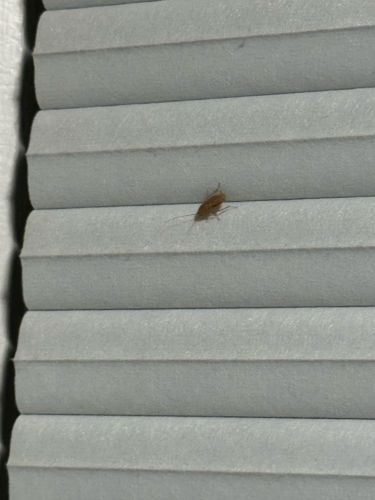
German Cockroach
Blattella germanica
- Order & Family
- Order: Blattodea, Family: Ectobiidae (formerly Blattellidae)
- Size
- Adult German cockroaches typically range from 1.1 to 1.6 cm (0.43 to 0.63 inches) in length.
Natural Habitat
German cockroaches prefer warm, humid, and dark environments, making them common inhabitants of kitchens, bathrooms, and other areas with food and water sources in human dwellings. They can be found in cracks, crevices, behind appliances, in cabinets, and within wall voids.
Diet & Feeding
German cockroaches are omnivores and opportunistic feeders. They will eat almost any organic matter, including food scraps, grease, pet food, soap, toothpaste, glue, and even other cockroaches when resources are scarce. They are particularly attracted to starches, sugars, and fatty foods.
Behavior Patterns
German cockroaches are primarily nocturnal, preferring to hide in cracks and crevices during the day and forage for food and water at night. They are very prolific breeders, with females producing multiple oothecae (egg cases) throughout their lifespan, each containing many eggs. They are known to infest warm, humid environments and can spread rapidly due to their high reproductive rate. They are also known for their ability to quickly adapt to various environments and develop resistance to insecticides.
Risks & Benefits
Risks: German cockroaches are considered a significant household pest due to their ability to spread bacteria, pathogens, and allergens. They can contaminate food and surfaces, potentially causing food poisoning, asthma, and other allergic reactions in sensitive individuals. Their presence can also lead to an unpleasant odor and be a sign of poor sanitation. Benefits: None for humans; ecologically, they serve as a food source for other animals, but their presence in human environments is almost entirely negative.