
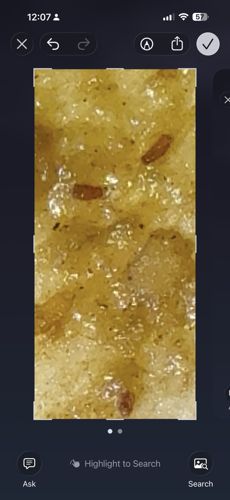
Community identification
Fruit fly; vinegar fly
Drosophila melanogaster
- Order & Family
- Order Diptera, Family Drosophilidae
- Size
- 3 to 4 mm in length
Natural Habitat
Commonly found in residential areas, particularly around fermenting materials, ripening fruit, compost piles, and trash bins
Diet & Feeding
Primarily feed on ripening or rotting fruits and vegetables, fungi, and the yeast produced by fermenting organic matter
Behavior Patterns
Fruit flies are highly attracted to the smell of fermentation. They have very short life cycles (about 8-10 days) and can lay hundreds of eggs at a time, leading to rapid infestations inside homes.
Risks & Benefits
They do not bite humans but are considered a nuisance pest. They can contaminate food with bacteria and pathogens (like E. coli or Salmonella) they pick up from unsanitary surfaces. However, they are invaluable to biological and genetic research.