
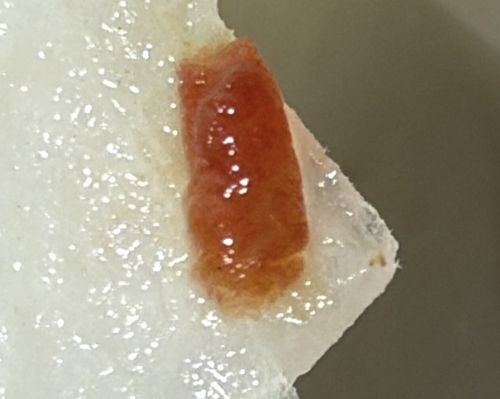
Fruit Fly Larva (Maggot)
Drosophila melanogaster
- Order & Family
- Order: Diptera; Family: Drosophilidae
- Size
- 2.5 mm to 4.5 mm in length
Natural Habitat
Overripe, rotting, or fermenting fruits and vegetables; also found in drains, trash cans, and industrial kitchens.
Diet & Feeding
Larvae primarily feed on the yeast and fungal growth within fermenting organic matter, as well as the sugar in decaying fruit.
Behavior Patterns
Larvae remain within their food source until pupation. They undergo three instars (growth stages) before crawling to a drier, darker spot to form a puparium. The life cycle from egg to adult is rapid, often completed in 8-10 days in warm conditions.
Risks & Benefits
Generally considered a nuisance pest in homes. While not known to transmit diseases through bites, they can contaminate food with bacteria (like Salmonella). In science, they are highly beneficial as a primary model organism for genetic and developmental research.