
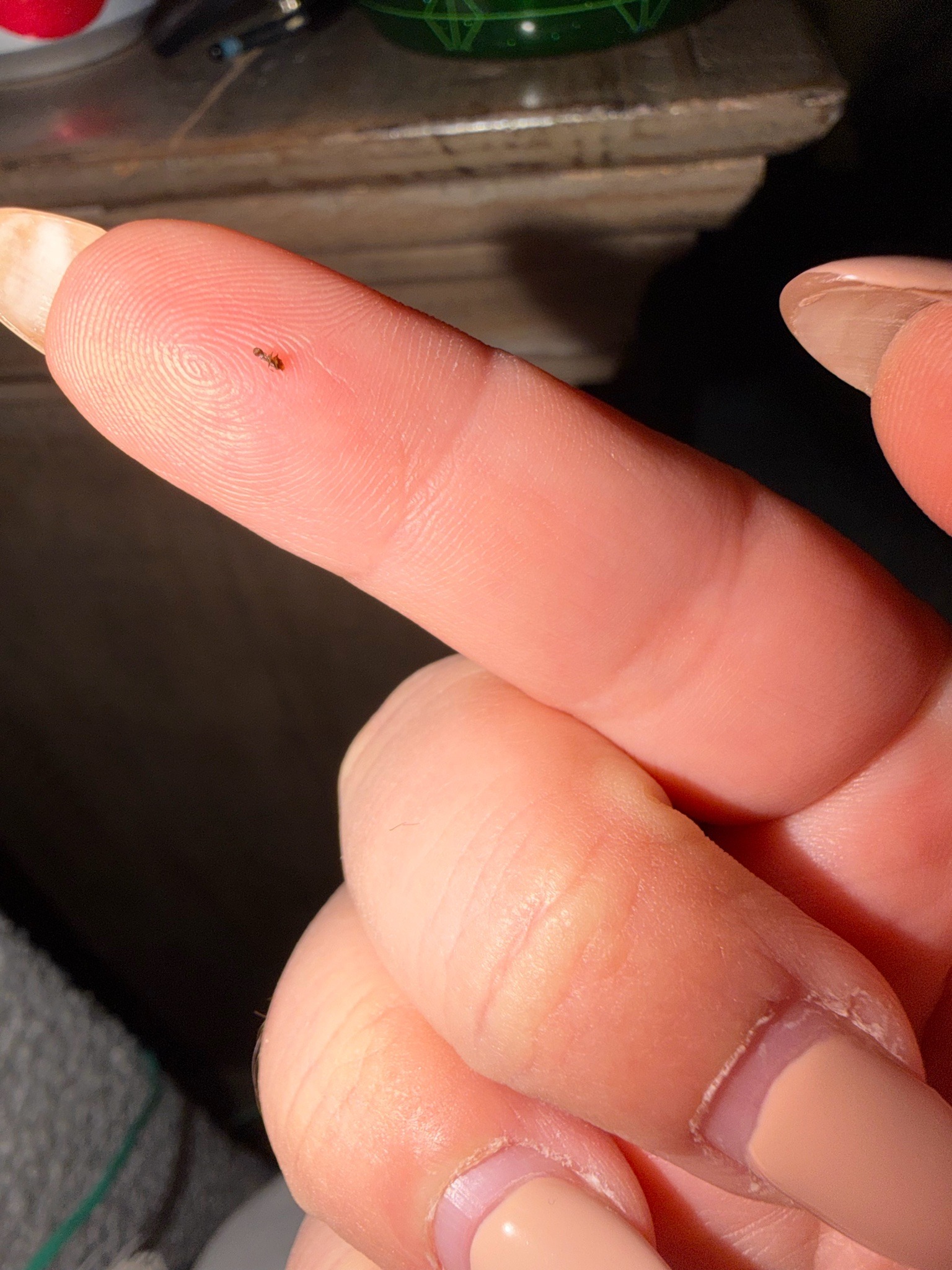
Community identification
Pharaoh Ant
Monomorium pharaonis
- Order & Family
- Hymenoptera: Formicidae
- Size
- 1.5 to 2.0 mm (approximately 1/16 inch)
Natural Habitat
Indoors in climate-controlled environments, particularly hospitals, hotels, and homes, nesting in wall voids, under floors, or behind baseboards.
Diet & Feeding
Omnivorous; they consume sweets, fats, proteins, and even other insects. They are notorious for seeking out moisture and unconventional food sources like medical waste.
Behavior Patterns
Highly social insects that use 'budding' (where a queen and workers move to a new site) to expand colonies. They are primarily nocturnal and follow well-established pheromone trails.
Risks & Benefits
They are major pests because they can transmit various pathogens (like Salmonella or Staphylococcus) as they crawl over surfaces. They are notoriously difficult to control because they split their colonies when threatened by sprays.