
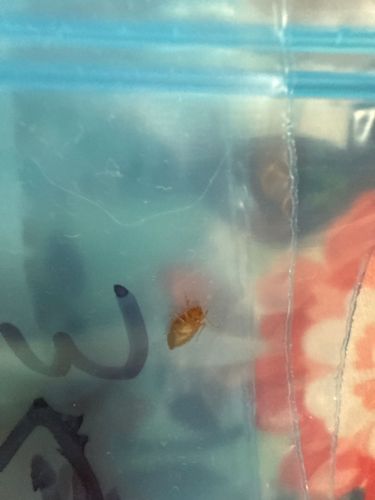
Bed bug
Cimex lectularius
- Order & Family
- Hemiptera, Cimicidae
- Size
- 4-5 mm (adults)
Natural Habitat
Primarily human dwellings, especially beds, mattresses, bed frames, and other furniture. They prefer dark, secluded places close to human hosts.
Diet & Feeding
Exclusively blood of warm-blooded animals, primarily humans. They feed by piercing the skin with their proboscis and sucking blood.
Behavior Patterns
Nocturnal, typically feeding at night while hosts are asleep. They are resilient and can survive for several months without feeding. They communicate chemically through pheromones and often aggregate in harborages. Females lay several eggs per day, which hatch in about 1-2 weeks.
Risks & Benefits
Risks: Bed bugs are a significant pest. Their bites can cause itchy welts, skin irritation, and allergic reactions in some individuals. While not known to transmit diseases, their presence can lead to anxiety, stress, and sleep deprivation. Benefits: None known for humans; they are considered a nuisance pest.