
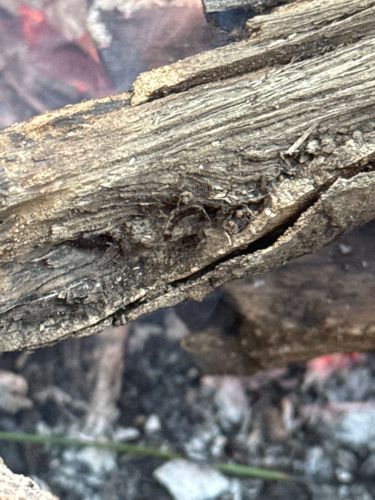
Community identification
Bark Spider
Caerostris sp. (Example: Caerostris darwini)
- Order & Family
- Araneae: Araneidae
- Size
- Commonly 10–25 millimeters (females); males are significantly smaller.
Natural Habitat
Woodlands and forests, often found camouflaged against the bark of trees during the day.
Diet & Feeding
Carnivorous; feeds primarily on flying insects like flies, moths, and bees caught in vertical orb webs.
Behavior Patterns
Nocturnal web builders. They possess evolved camouflage that mimics tree bark or knots, allowing them to hide from predators and prey during daylight hours. They often dismantle their webs at dawn and rebuild at dusk.
Risks & Benefits
Benefits the ecosystem by controlling flying insect populations. They are not considered medically significant to humans, though their bite may cause minor localized irritation.