
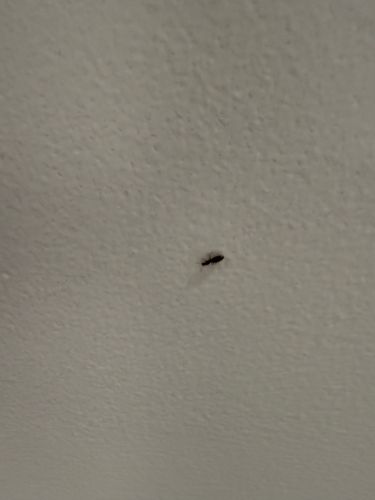
Thrips
Various species (e.g., Frankliniella occidentalis for Western flower thrips)
- Order & Family
- Order: Thysanoptera, Family: Various (e.g., Thripidae, Phlaeothripidae)
- Size
- Typically 0.5 to 14 mm in length, most commonly 1-2 mm
Natural Habitat
Thrips are found in a wide variety of habitats globally, primarily on plants. They inhabit flowers, leaves, fruits, and stems of many different plant species, including agricultural crops, ornamental plants, and wild vegetation. Some species are also found in leaf litter or under bark.
Diet & Feeding
The diet of thrips varies by species. Many are phytophagous (plant-eating), feeding on plant sap by piercing plant cells and sucking out the contents. This can cause damage to leaves, flowers, and fruits. Some species are mycophagous (fungus-feeding), feeding on fungal spores or hyphae. A few species are predatory, feeding on other small arthropods like mites and other thrips.
Behavior Patterns
Thrips are active insects, often found in flowers or on leaves. They move quickly when disturbed, sometimes jumping or flying short distances. Many species reproduce parthenogenetically, meaning females can lay eggs without fertilization. They undergo incomplete metamorphosis, with several nymphal stages before reaching adulthood. Some species are solitary, while others form aggregations.
Risks & Benefits
Risks: Many thrips species are significant agricultural pests, causing damage to crops by feeding, which can lead to reduced yield and quality. They can also transmit plant viruses. Their feeding can cause cosmetic damage to ornamental plants. Benefits: Predatory thrips species can be beneficial in biological control programs as they feed on other pest insects and mites.