
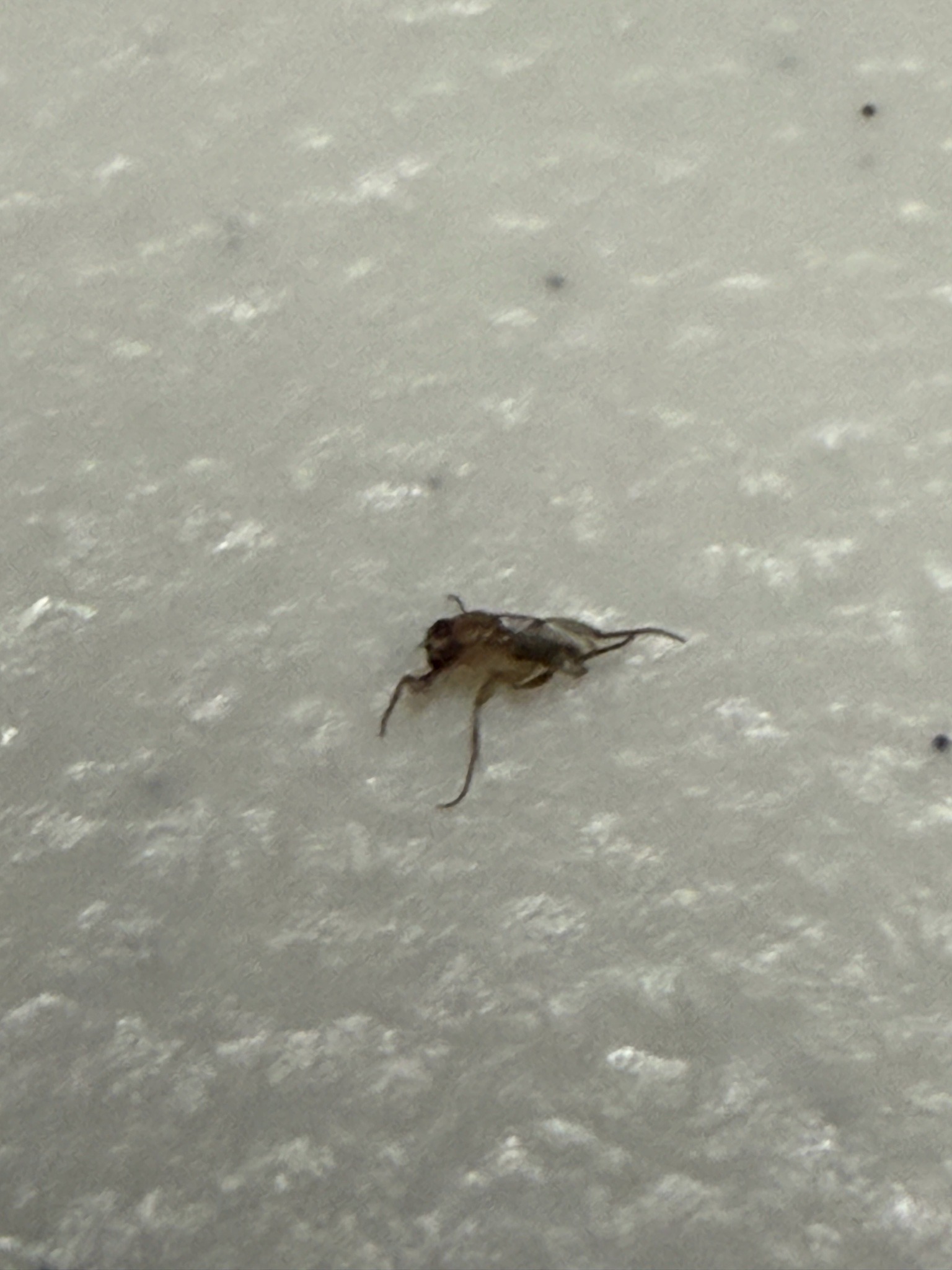
Community identification
Flea
Siphonaptera
- Order & Family
- Order: Siphonaptera; Family: Pulicidae (commonly)
- Size
- 1.5 to 3.3 mm in length
Natural Habitat
Found globally indoors and outdoors, typically living on hosts such as pets (dogs/cats), wild mammals, or within nesting materials, carpets, and upholstery.
Diet & Feeding
Obligate hematophages (blood-feeders). Adults feed on the blood of mammals and birds; larvae feed on organic debris and adult flea feces (flea dirt).
Behavior Patterns
Flightless but capable of jumping long distances. They undergo complete metamorphosis. Adults spend most of their time on a host, while eggs and larvae develop in the environment.
Risks & Benefits
Risks include painful, itchy bites, allergic dermatitis, and transmission of pathogens like tapeworms, typhus, and bubonic plague. They provide no significant benefits to humans or the ecosystem.