
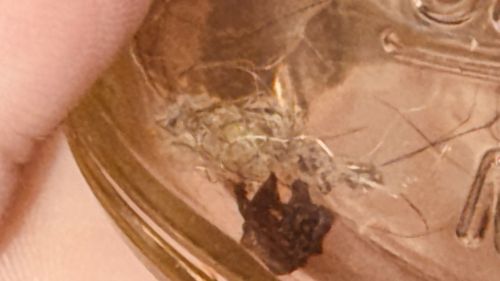
Lace Bug Nymph
Tingidae (immature stage)
- Order & Family
- Hemiptera, Tingidae
- Size
- 1-5 mm (nymphs are smaller than adults)
Natural Habitat
Typically found on the undersides of leaves of various host plants, including trees, shrubs, and herbaceous plants.
Diet & Feeding
Plant sap; they are phytophagous, feeding by piercing plant tissues with their stylets and sucking out the sap.
Behavior Patterns
Lace bug nymphs are often found in colonies on the undersides of leaves. They molt several times before reaching adulthood. They may excrete 'tar spots' which are dark, sticky fecal matter.
Risks & Benefits
Risks: Can cause damage to ornamental plants, shade trees, and agricultural crops by disrupting photosynthesis and leading to leaf discoloration (stippling), wilting, and premature leaf drop. Benefits: Generally considered pests in agricultural and horticultural settings, with no significant direct benefits to humans or the ecosystem recognized, other than providing food for some predatory insects.