
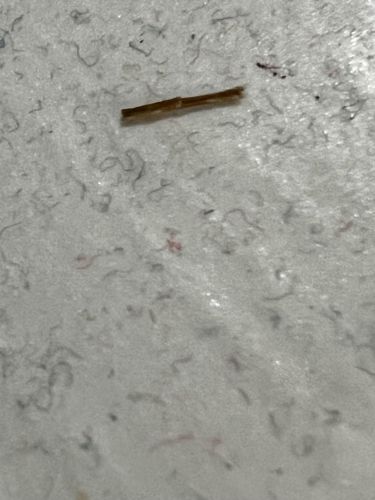
Community identification
Walkingstick (Stick Insect)
Diapheromera femorata (common species shown)
- Order & Family
- Order: Phasmatodea, Family: Diapheromeridae
- Size
- 2 to 7 inches (5 to 18 cm) depending on species and sex.
Natural Habitat
Deciduous forests and gardens; often found on the foliage of trees and shrubs like oak, hazel, and rose.
Diet & Feeding
Herbivorous; they primarily feed on the leaves of trees and shrubs, often during the night.
Behavior Patterns
Master of camouflage, they mimic twigs to avoid predators. They are primarily nocturnal and move slowly. They can remain motionless for hours and some species can regenerate lost limbs.
Risks & Benefits
Generally harmless to humans. They are beneficial to the ecosystem as a food source for birds and small mammals; however, in large numbers, they can cause minor defoliation of host plants.