
Community identification
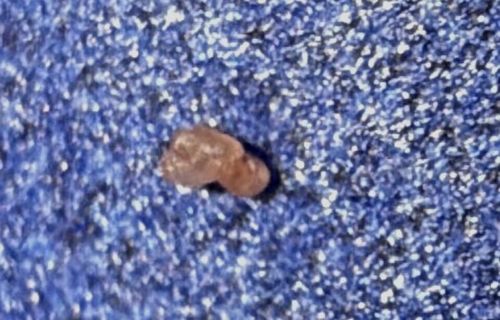
Fruit Fly Pupa
Drosophila melanogaster (most common)
- Order & Family
- Order: Diptera, Family: Drosophilidae
- Size
- Approximately 2 to 3 mm in length
Natural Habitat
Typically found in homes, restaurants, or grocery stores near decaying organic matter like overripe fruit, vegetables, drains, or garbage disposals.
Diet & Feeding
The pupa itself does not eat; however, the larvae (maggots) that form it feed on fermenting plant material, yeast, and bacteria.
Behavior Patterns
Larvae wander away from their moist food source to a drier location to pupate. The pupal stage is stationary, where the casing hardens and darkens from white to yellowish-brown as the adult fly develops inside.
Risks & Benefits
Risks: Nuisance pest in homes; can contaminate food with bacteria. Benefits: Crucial model organism for scientific research in genetics and development.