
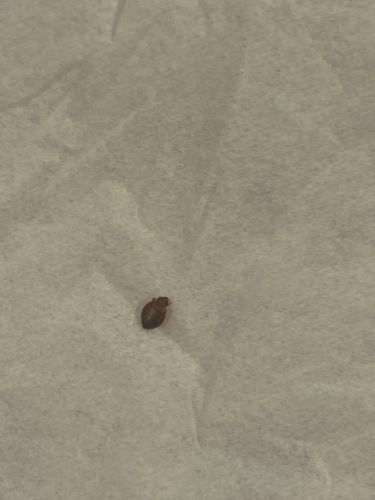
Community identification
Bed Bug
Cimex lectularius
- Order & Family
- Hemiptera: Cimicidae
- Size
- 4 to 5 mm (roughly the size of an apple seed) for adults; nymphs are smaller.
Natural Habitat
Indoor environments, primarily in cracks and crevices near human sleeping areas such as mattresses, box springs, and bed frames.
Diet & Feeding
Obligate hematophagous (blood-feeders), primarily targeting humans but may also feed on other warm-blooded animals.
Behavior Patterns
Nocturnal and elusive; they use heat and carbon dioxide to locate hosts, feed for 3-10 minutes, and then hide to digest. They reproduce via traumatic insemination and have a hemimetabolous life cycle.
Risks & Benefits
Risks include itchy skin rashes, psychological distress, and allergic reactions. While not known to transmit diseases, they are significant domestic pests that are difficult and expensive to eradicate.