
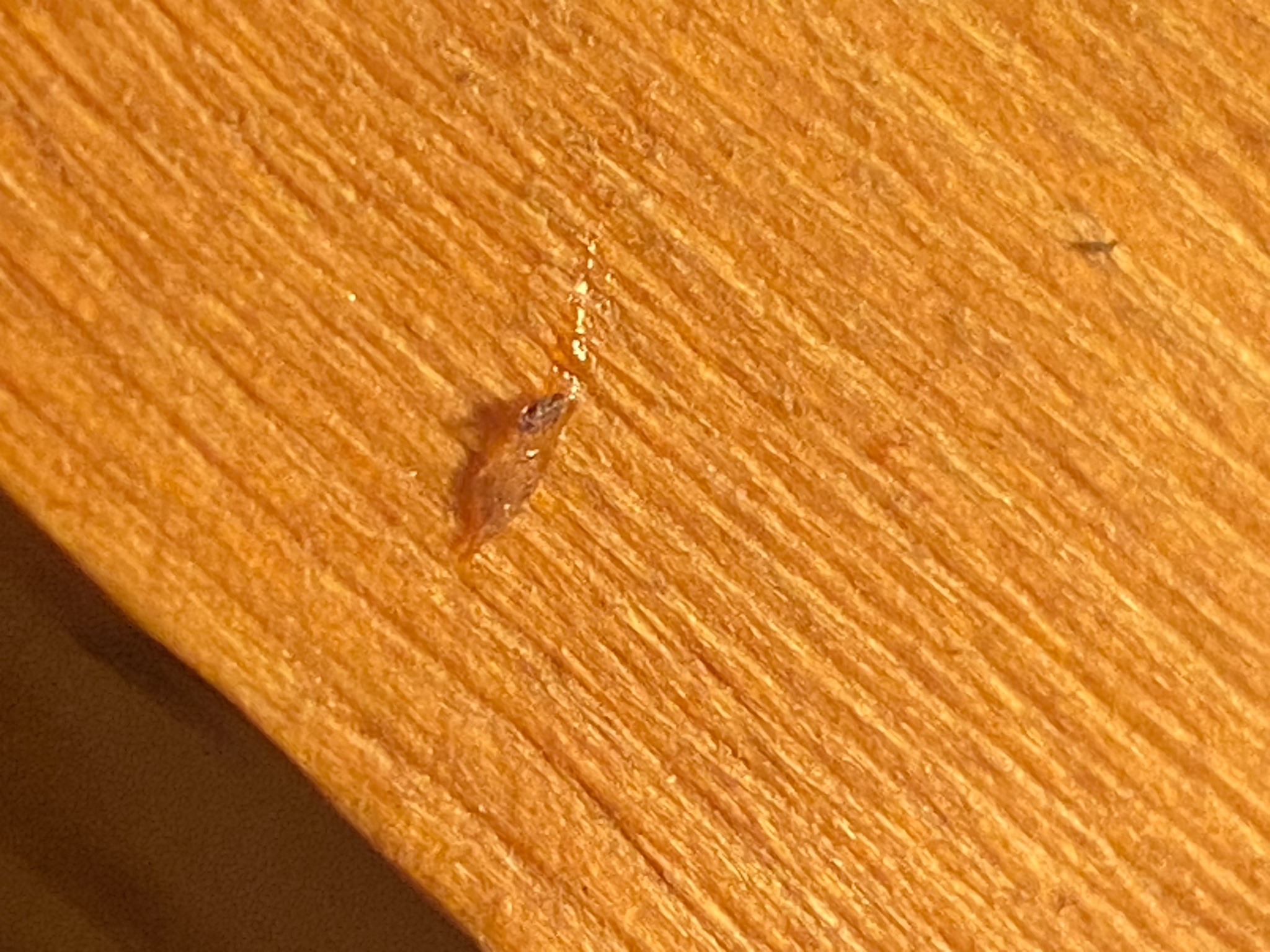
Community identification
Indian meal moth
Plodia interpunctella
- Order & Family
- Lepidoptera: Pyralidae
- Size
- 8 to 10 mm long with a wing spread of 16 to 20 mm
Natural Habitat
Indoor environments where dried food is stored, such as kitchens, pantries, and food processing plants.
Diet & Feeding
Larvae feed on a wide range of dry foodstuffs including cereals, grains, flour, pasta, rice, nuts, dried fruit, and pet food.
Behavior Patterns
Adults are nocturnal and are often seen flying in a zigzag pattern. The larvae spin silk webbing over the food source while feeding. The female can lay several hundred eggs directly onto or near food sources.
Risks & Benefits
They are major pantry pests that contaminate food products with silk, frass (droppings), and cocoons, making the food unfit for consumption. They pose no direct health risk or bite to humans, but cause significant economic waste.