
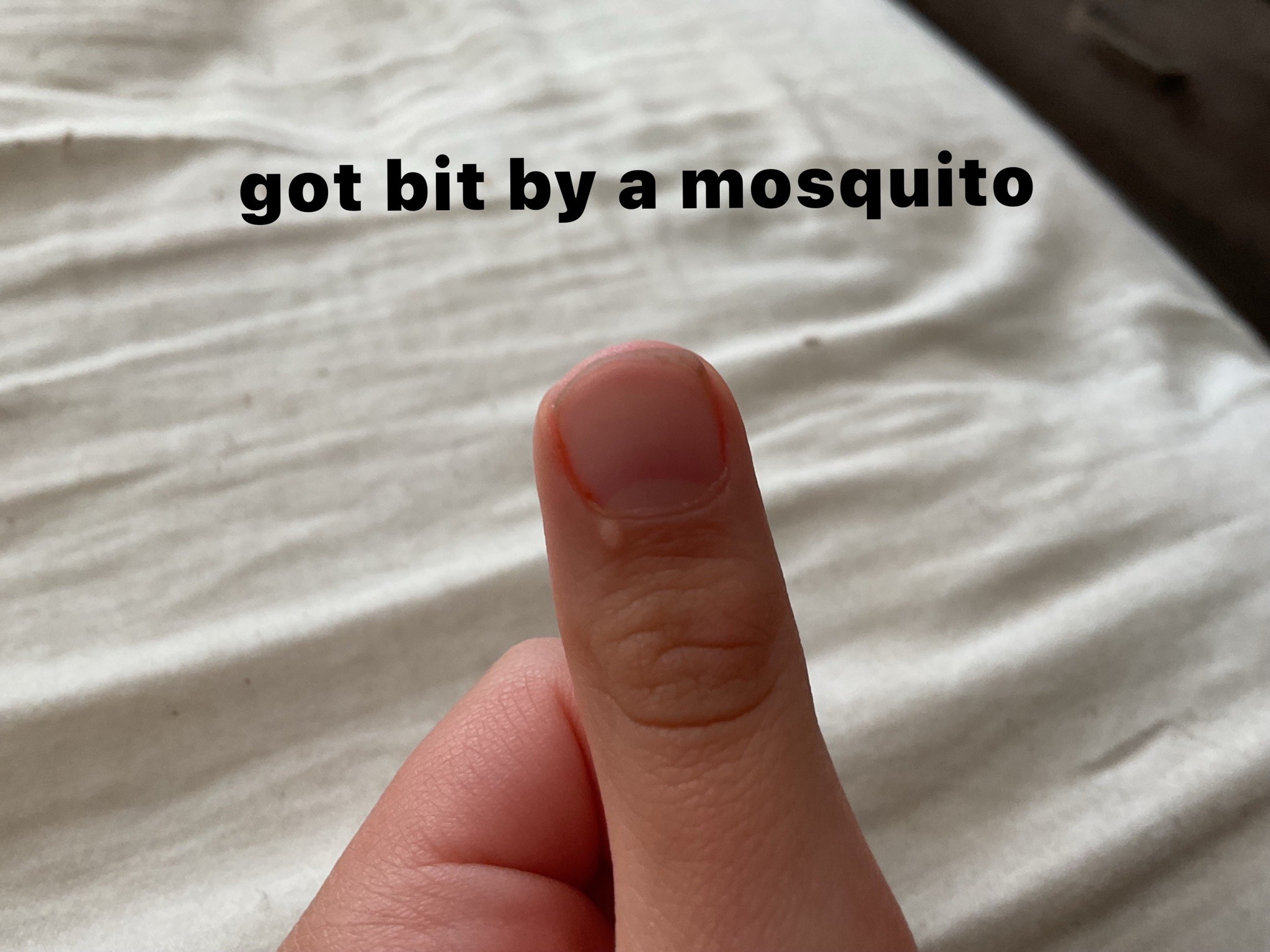
Community identification
Mosquito
Culicidae
- Order & Family
- Order Diptera, Family Culicidae
- Size
- Typically 3 mm to 6 mm in length.
Natural Habitat
Found worldwide, particularly near stagnant water sources such as ponds, marshes, and urban containers (buckets, gutters) where they breed.
Diet & Feeding
Adults primarily feed on nectar and plant juices for energy. However, females require a blood meal from humans or animals to produce eggs.
Behavior Patterns
Crepuscular activity (most active at dawn and dusk). They use carbon dioxide, heat, and movement to locate hosts. Life cycle involves four stages: egg, larva, pupa, and adult.
Risks & Benefits
Significant health risks as vectors for diseases like Malaria, West Nile virus, Zika, and Dengue. Ecologically, they serve as a food source for fish, birds, and bats, and some species act as pollinators.