
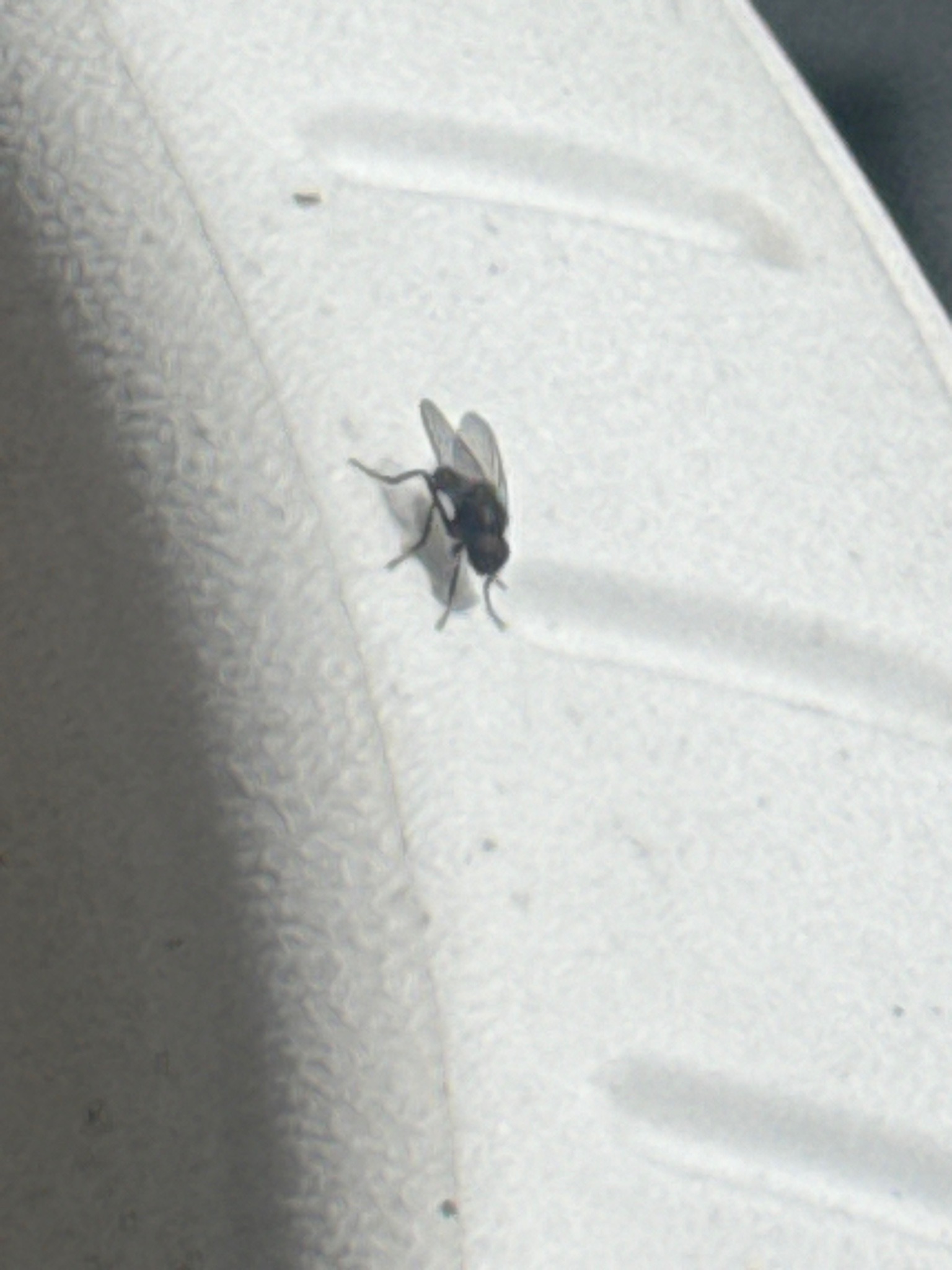
Community identification
House Fly
Musca domestica
- Order & Family
- Diptera: Muscidae
- Size
- 6–7 mm in length
Natural Habitat
Global distribution; primarily found near human habitation, farms, and wherever organic waste is present.
Diet & Feeding
Adults feed on liquids and semi-solid substances such as rotting food, feces, and sugary liquids through sponging mouthparts; larvae (maggots) consume decaying organic matter.
Behavior Patterns
Diurnal and active year-round in warm climates; capable of laying hundreds of eggs in a lifespan; known for rapid flight and frequent movement between unsanitary surfaces.
Risks & Benefits
Significant risk as a vector for pathogens causing diseases like cholera, typhoid, and salmonellosis; benefits include serving as a food source for birds and spiders, and aiding in the decomposition of waste.