
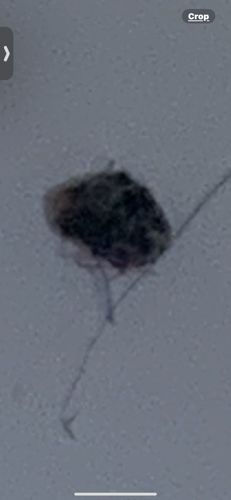
Masked Hunter Nymph
Reduvius personatus
- Order & Family
- Hemiptera, Reduviidae
- Size
- Nymphs: 1-15 mm (growing larger as they mature); Adults: 17-22 mm
Natural Habitat
Indoors (attics, crawlspaces, basements) and occasionally outdoors under rocks or debris. Often found in association with human dwellings.
Diet & Feeding
Predatory. Nymphs camouflage themselves with dust, lint, and debris to ambush and feed on a variety of small arthropods, including bed bugs, carpet beetles, and other household pests. Adults also prey on small insects.
Behavior Patterns
The most distinctive behavior of the nymph is its 'masking' or 'camouflaging' behavior, where it covers its body with dust, lint, and small debris using sticky secretions to effectively blend into its surroundings. This helps it ambush prey and avoid predators. They are nocturnal hunters.
Risks & Benefits
Potential Risks: While beneficial for controlling household pests like bed bugs, the masked hunter can deliver a painful bite if mishandled or threatened. The bite is comparable to a bee sting and can cause localized pain, swelling, and redness, but it is not typically dangerous or venomous to humans. Potential Benefits: They are natural predators of common household pests, including bed bugs and other small insects, and can help control these populations.