
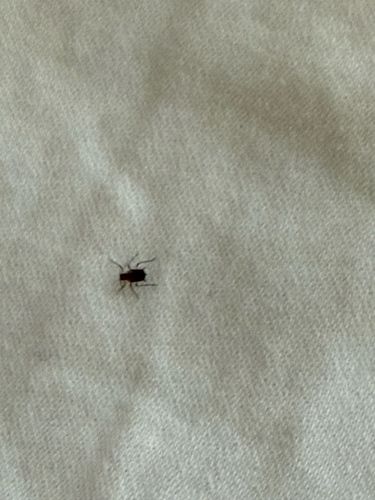
Community identification
Bed Bug (Nymph)
Cimex lectularius
- Order & Family
- Order: Hemiptera, Family: Cimicidae
- Size
- 1.5 mm to 4.5 mm for nymphs; adults can reach up to 5-7 mm after feeding.
Natural Habitat
Typically found in human dwellings, hidden in cracks, crevices, bed frames, mattresses, and behind wallpaper in close proximity to human sleeping areas.
Diet & Feeding
Obligate hematophages; they feed exclusively on the blood of warm-blooded animals, primarily humans, though they may feed on poultry or other mammals.
Behavior Patterns
Nocturnal and elusive; they are most active just before dawn. They undergo hemimetabolous metamorphosis, requiring a blood meal to progress through each of their five nymphal stages.
Risks & Benefits
No known ecosystem benefits within human habitats. Risks include itchy skin rashes, psychological distress, insomnia, and allergic reactions. While they carry pathogens, they are not currently known to transmit diseases to humans.