
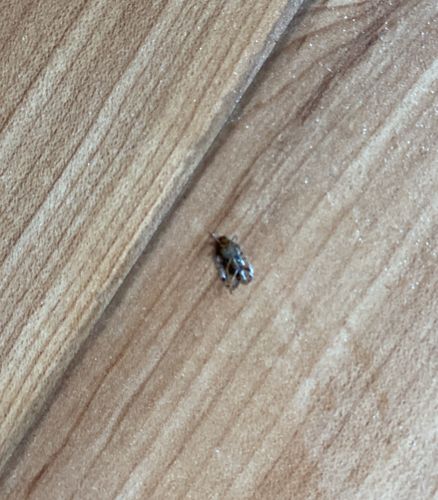
Carpet Beetle (larva)
Anthrenus spp. or Trogoderma spp. (common genera)
- Order & Family
- Coleoptera, Dermestidae
- Size
- Larvae typically range from 2 mm to 5 mm in length.
Natural Habitat
Indoors, commonly found in homes, museums, warehouses, and other buildings where they can access their food sources. They prefer dark, undisturbed areas like under carpets, in closets, behind baseboards, and in attics.
Diet & Feeding
Mainly keratin-rich materials such as wool, silk, fur, feathers, leather, and dried animal products. They can also feed on natural fibers, taxidermy, museum specimens, dried food products, and even dead insects.
Behavior Patterns
Dermestid larvae are known for their scavenging behavior, consuming a wide range of organic materials. They undergo complete metamorphosis with larvae being the most destructive stage. They often hide in dark, undisturbed areas. Adults are typically attracted to light.
Risks & Benefits
Potential risks include significant damage to textiles, clothing, carpets, furniture, and stored food products. They can also cause allergic reactions in sensitive individuals due to their shed skins and bristles. They are generally not considered harmful to humans in terms of biting or disease transmission. They can be beneficial in forensic entomology as they are used to clean bones for museum displays or studies.