
Community identification
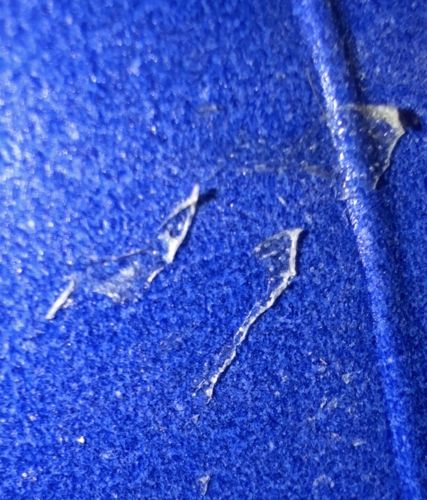
Inland Floater (Glochidia Larvae Shells)
Pyganodon grandis (Glochidium)
- Order & Family
- Order: Unionida, Family: Unionidae
- Size
- 250 to 400 micrometers (microns) for larvae; adults reaching 10-15 centimeters.
Natural Habitat
Freshwater lakes, ponds, and slow-moving rivers; larvae are typically found attached to the gills or fins of fish hosts.
Diet & Feeding
Larvae are parasitic and absorb nutrients from the host fish's bodily fluids; adults are filter feeders consuming plankton and organic detritus.
Behavior Patterns
Larvae are released into the water by the mother and must find a specific fish host to attach to. They encyst on the host for several weeks before dropping off as juveniles to live in the sediment.
Risks & Benefits
Adults provide significant ecological benefits by filtering and cleaning water. The larvae pose minimal risk to healthy fish populations but can cause stress in high concentrations in aquaculture.