
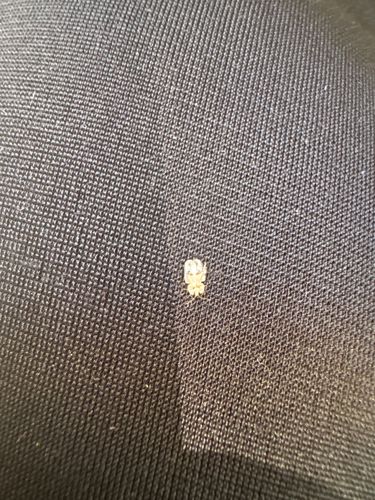
Lace Bug Nymph (Immature Stage)
Tingidae (family)
- Order & Family
- Hemiptera, Tingidae
- Size
- Nymphs are very small, usually less than 1 mm, growing up to 3-5 mm as adults.
Natural Habitat
Typically found on the undersides of leaves of various trees, shrubs, and herbaceous plants, depending on the species. Many are host-specific to certain plant types.
Diet & Feeding
Lace bugs are phytophagous, meaning they feed on plant sap. They insert their needle-like mouthparts into plant tissue and suck out the chlorophyll, leading to characteristic stippling on leaves.
Behavior Patterns
Nymphs are often covered with waxy secretions or spines for camouflage and protection. They are usually found in colonies on the undersides of leaves. They undergo incomplete metamorphosis, meaning they hatch as nymphs and gradually develop into adults without a pupal stage. Adults may overwinter in plant crevices or bark.
Risks & Benefits
Lace bugs can cause cosmetic damage to plants, leading to discolored and stunted foliage, and in severe infestations, premature leaf drop. They are generally not harmful to humans or animals. Some species can be considered pests in ornamental horticulture. They do not provide significant known benefits other than being a part of the insect food web.