
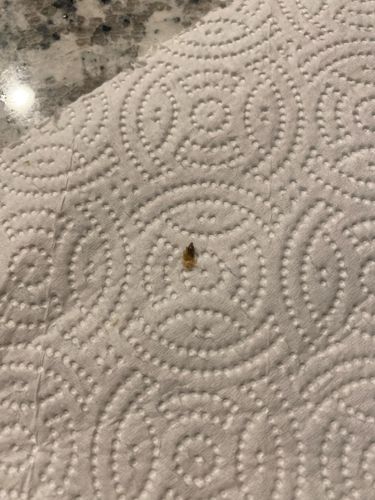
Community identification
Bed Bug
Cimex lectularius
- Order & Family
- Order Hemiptera; Family Cimicidae
- Size
- 1 to 7 millimeters; adults are roughly the size of an apple seed.
Natural Habitat
Dwellings, primarily near sleeping areas such as mattresses, bed frames, headboards, and cracks in walls or furniture.
Diet & Feeding
Obligate hematophages (blood-feeders), primarily feeding on human blood, but they will also bite other warm-blooded animals.
Behavior Patterns
Mainly nocturnal; they hide during the day and emerge at night to feed. They undergo incomplete metamorphosis (egg, nymph, adult) and require a blood meal to molt into each successive stage.
Risks & Benefits
Risks include itchy allergic reactions to bites, secondary skin infections from scratching, and significant psychological distress or insomnia. They are not known to transmit diseases to humans. There are no ecological benefits to their presence in human environments.