
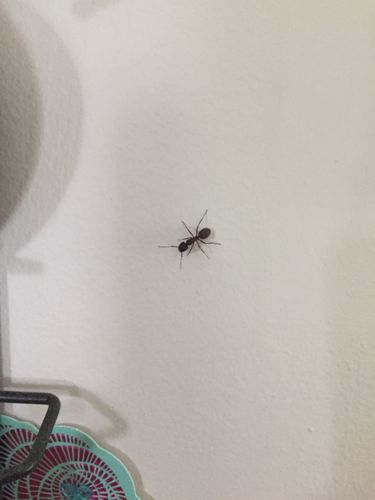
Ant (General)
Formicidae (general family identification)
- Order & Family
- Order: Hymenoptera, Family: Formicidae
- Size
- Worker ants generally range from 2 mm to 25 mm (0.08 to 1 inch) in length, depending on the species. Queens and males can be larger.
Natural Habitat
Ants are found in almost all terrestrial habitats around the world, from forests and grasslands to deserts and urban environments. They typically build nests underground, in dead wood, under stones, or in structures.
Diet & Feeding
Ants are omnivores; their diet varies widely depending on the species but commonly includes sugars (nectar, honeydew from aphids, sweet foods), proteins (other insects, dead animals), fats, and fungi. Many species are scavengers, while others actively hunt.
Behavior Patterns
Ants are social insects living in colonies that can range from a few dozen to millions. They exhibit complex social behaviors including division of labor (queen, workers, males), communication through pheromones, and cooperative foraging. They build nests in soil, wood, or under rocks and often follow scent trails to food sources. Foraging activity is often observed during warmer parts of the day.
Risks & Benefits
Potential risks include property damage (especially by carpenter ants chewing through wood), contamination of food, and painful stings or bites from certain species. Some species can also carry pathogens. Benefits include aeration of soil, seed dispersal, pest control (by preying on other insects), and decomposition of organic matter.