
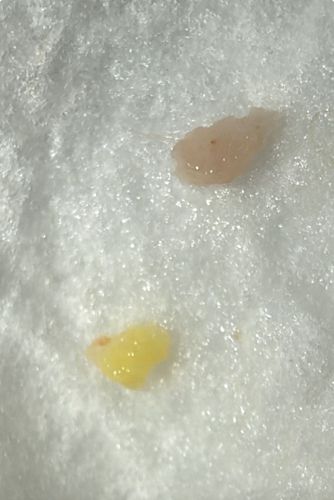
Community identification
Slug
Arionidae, Limacidae (various species)
- Order & Family
- Order Stylommatophora; Families vary (e.g., Arionidae, Agriolimacidae)
- Size
- Typically 1 cm to 15 cm depending on species and age; juveniles/slug eggs are very small (1-5 mm).
Natural Habitat
Gardens, damp woodpiles, moist soil, and under rocks or vegetation. They thrive in high-moisture environments.
Diet & Feeding
Mostly herbivorous, feeding on living plant matter, decaying organic material, fungi, and sometimes other small gastropods.
Behavior Patterns
Primarily nocturnal to avoid dehydration; they move by muscular contractions of their foot and secrete a mucus (slime) to aid movement and protection.
Risks & Benefits
In gardens, they are considered pests as they damage crops and ornamental plants. Ecologically, they help break down organic matter. They can carry parasites like nematode worms (Angiostrongylus) and should not be handled without gloves or consumed.